
What Actually Matters for Brain Health? Dr. Tommy Wood Answers
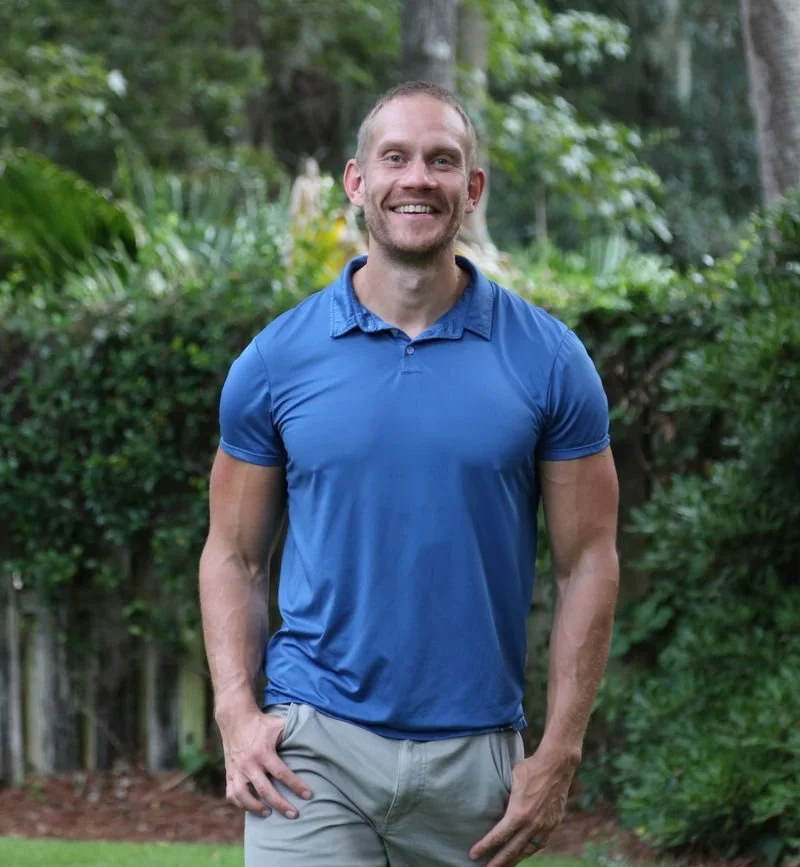
There are only a handful of people whose podcasts I'll listen to no matter the topic. Dr. Tommy Wood is one of them.
I've followed Tommy's work for years and have always kept an eye out for interviews featuring him. Whether he's talking about brain health, nutrition, exercise, sleep, longevity, performance, or dementia prevention, I know I'm going to learn something useful. Aside from being a neuroscientist and physician, what separates him from many experts is that he's incredibly evidence-based without getting stuck in dogma. He's willing to change his mind when the data changes, and he consistently backs up his recommendations with research.
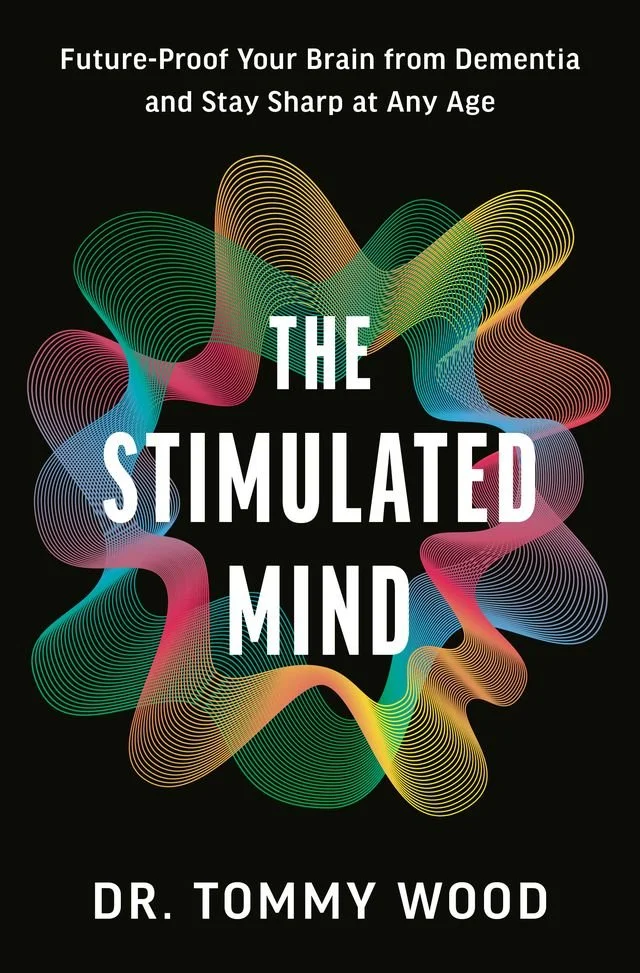
So, when his book, The Stimulated Mind: Future-Proof Your Brain from Dementia and Stay Sharp at Any Age, was announced, I couldn’t have been more excited to get my hands on it. His knowledge is both deep and broad, which is a rare combination. He can discuss the molecular mechanisms behind brain aging one minute and give practical advice that anyone can use the next.
Just as importantly, he practices what he preaches. He’s completed multi-day endurance events, strength training competitions, and he’s a consultant with some of the world’s peak performers such as F1 racers.
As a fan boy (can you tell?), I struggled to narrow down my list of questions but I finally did to topics ranging from dementia prevention to brain energy to concussions to supplements to exercise. I also put him through a rapid-fire round where he graded everything from sleep and strength training to cold exposure and sauna use.
Enjoy.
P.S. The bolding in the responses is mine
5 Questions with Dr. Tommy Wood
1. You’ve said the brain is highly metabolically demanding. What are the biggest everyday factors that support or impair brain energy production?
The brain is notorious for using up around 20% of our daily energy, and many risk factors for cognitive decline and dementia act at least in part by impairing brain energy production. The most obvious is probably metabolic health, which can work either for or against brain energy production. The easiest way to assess metabolic health is by measuring the factors that contribute to metabolic syndrome—blood pressure, blood sugar, triglycerides, HDL cholesterol, and waist circumference.
Of these, high blood pressure (above 130/85 mmHg) and prediabetes (fasting blood glucose above 100 mg/dL) are the metabolic health factors most consistently associated with higher dementia risk, with the risk being even higher in those who have type 2 diabetes.
As metabolic health declines, glucose uptake into the brain can become impaired, decreasing the main supply of energy. High blood pressure and high blood sugar also contribute heart disease and reduce blood flow to the brain by affecting the function of blood vessels. This then decreases the supply of all the different nutrients and other factors that the brain requires to generate and maintain energy production. The critical importance of a healthy blood supply is one reason why exercise is so important for brain energy production—not only can exercise help to improve blood pressure and blood sugar, but it also improves the function of blood vessels and increases blood flow to the brain. Several lifestyle factors can improve metabolic health, but if needed we know that drugs for high blood pressure (antihypertensives) and diabetes (like metformin and GLP-1s) can decrease the risk of cognitive decline and dementia.
Another critical component of brain energy production is sleep. During the day, a whole range of metabolites build up in the brain that then drive our need to sleep. One way they do this is by suppressing brain metabolism. Therefore, if we don’t sleep and fully clear out everything that built up the day before, brain energy production can become impaired. While we can usually perform just fine after a night or two of bad sleep, long-term sleep deprivation—especially if we’re sleeping less than six hours a night—is associated with an increased risk of cognitive decline and dementia. Luckily, studies suggest that it’s never too late to improve our sleep, and we can still reduce our risk of dementia in our 50s and 60s if we increase the amount of sleep we get. If you’re not able to regularly get as much sleep as you need, those who exercise more also seem to offset some of the dementia risk associated with poor sleep.
2. Dementia: What lifestyle factors lead to this, and what are some of the lowest-hanging fruit to avoid it?
Several studies have tried to identify modifiable lifestyle factors that increase the risk of dementia. The most famous is probably the report from the Lancet commission on dementia prevention, which identified 14 modifiable risk factors for dementia. Many of these modifiable dementia risk factors are related to lifestyle including high LDL cholesterol, physical inactivity, diabetes, smoking, high blood pressure, obesity, and excessive alcohol intake.However, there are other risk factors with a good amount of evidence that were missing from this analysis. These include poor sleep, lack of late life cognitive activity, nutrient deficiencies (especially B vitamins, iron, vitamin D, and Omega-3s), and gum disease.
From these, the most important lowest hanging fruit is whatever you feel you can start to address. That might be working up to getting a little more sleep or making physical activity a regular part of your week. As with most dementia risk factors, anything more than what you’re doing now will decrease risk, whether that’s going from six hours of sleep to six and a half, or adding one workout a week or 2,000 steps of walking per day. Importantly, when you make changes in one of these areas, you’re actually influencing multiple dementia risk factors. For example, if you stop smoking you also decrease your risk of high blood pressure, depression, cataracts, and hearing loss, all of which are risk factors for dementia. Or if you start to sleep better you can generally expect to see improvements in blood sugar and blood pressure, as well as feeling more sociable (social isolation is yet another dementia risk factor) and more likely to engage in physical or cognitive activity. If you’d prefer to start small, consider going to your doctor and/or dentist to get a basic check-up to determine whether you might need to address any issues with metabolic or oral health.
3. Concussions and brain injuries: What are the most important things people get wrong about recovery, and what actually moves the needle?
One of the biggest changes in concussion management in recent years is a shift in recommendations around physical activity. Previously, individuals were told to minimize physical activity after a concussion but now we know that regular low-level activity can accelerate recovery. This might look like 20-30 minutes of aerobic activity every 1-2 days, at a level of intensity just below that which might worsen any ongoing symptoms. Doctors working with individuals after concussions would probably be expected to recommend this nowadays, but it’s very common for people to still think that rest is the best thing for recovery.
Beyond that, we know that metabolic health can impact the response to an injury, as can nutrient status. So that factors that increase susceptibility to dementia probably play a role in concussion recovery as well. In terms of supplements, creatine, choline (as citicoline/CDP-choline), magnesium, and B vitamins like riboflavin may help (see this paper we wrote for the available evidence). There are also several symptom-specific interventions that can improve recovery, such as vestibular rehab for balance problems or melatonin for insomnia. Sometimes people can experience issues with eye control after a concussion, which can cause headaches and brain fog. This can potentially be improved with training but requires proper assessment by an ophthalmologist.
4. Supplements and nutrients: If you had to prioritize a few key nutrients or supplemental strategies for brain health, which matter most and why?
The supplements with the best evidence to support them are those that provide critical nutrients and vitamins linked to both cognitive function and mental health:
Long-chain Omega-3s. Omega-3 status is one of the best nutritional predictors of dementia risk, and supplementation with omega-3s can decrease depression symptoms and improve sleep. Those who aren’t eating at least two or three 4-ounce portions of fatty fish (e.g., salmon, tuna, mackerel, sardines) per week should consider taking around 2–3 grams per day of an omega-3 supplement that has both EPA and DHA. This can come from algae if you eat a plant-based diet. If you’re able to test your omega-3 status, aim for an Omega-3 Index of at least 5%, and ideally above 8%.
B Vitamins involved in methylation. Several studies suggest that B vitamin supplementation is associated with slowed cognitive decline. This is usually associated with a decrease in the marker homocysteine, which is elevated when levels of B vitamins involved in methylation (B12, folate, B6, and riboflavin) are insufficient. Low B12 levels are even associated with worse cognitive function when people aren’t technically deficient. In studies of that lower homocysteine with B vitamins, the most benefit is seen when keeping homocysteine under 13 umol/L, but the ideal goal is to target less than 10–11 umol/L. Therefore, it’s worth getting your homocysteine checked by your doctor. If it is elevated, the interventions that show benefit included supplements with around 500 mg of B12 and 400-800mcg of folic acid (or 300-700 dietary folate equivalents, DFE) per day. Some studies lowering homocysteine with B vitamins have also included around 20 mg of B6 and 2 mg of riboflavin (B2) per day.
Vitamin D. Vitamin D insufficiency is common around the world, and more likely in those with low sun exposure or darker skin tones. As many as one in four adults may need more vitamin D. Vitamin D deficiency (levels below 20 ng/mL) is associated with an increased risk of dementia and smaller brain volumes, with higher target levels (40-60 ng/mL) generally recommended to support athletic performance. Those who supplement with vitamin D also tend to experience a lower incidence of future dementia. Though testing and tracking vitamin D is recommended, a dose of 2,000 IU per day is safe and results in most people achieving adequate vitamin D levels. Vitamin D supplementation in this range is also associated with a significant reduction in depression symptoms.
Magnesium. Insufficient magnesium intake is also common, with some studies suggesting that almost half of the U.S. population is not consuming the recommended amount. Magnesium is critical for vitamin D metabolism, so ensuring good magnesium intake may be important for vitamin D levels. Magnesium status can be tricky to measure, but if you’re looking to boost your magnesium intake, you could consider a supplement that includes around 200–400 mg of magnesium per day. Avoid magnesium oxide and high doses of magnesium citrate, as they have lower bioavailability and can cause stomach issues.
Iron. Iron is very important for the structure of the white matter of our brain, which is critical for rapid information processing and decision-making. Symptoms like fatigue and changes in cognitive function that women might experience in perimenopause are commonly related to iron deficiency. Anemia (hemoglobin below 12 g/dL in women or below 13 g/dL in men), which is often caused by an iron deficiency but can also be due to B vitamin deficiencies, chronic inflammatory diseases, or cancer, is also associated with an increased risk of dementia. Iron supplements may be helpful, but this should always be done based on a full assessment by your physician. On the other hand, if hemoglobin is high (more than 15 g/dL in women or 17 g/dL in men), one of the most common causes is obstructive sleep apnea, which has also been linked with higher dementia risk but can be treated with interventions like CPAP.
Related (Brian): My Supplement Regimen (What I Take & Why)
5. Movement is obviously critical for brain health, so what are the best kinds (strength, aerobic, etc.), and what is the minimum effective dose for each?
The short answer is that any movement is great, and for most people more is better, regardless of the type. But different modes of exercise do have different effects on the brain. If I was trying to build an evidence-based movement routine that gives the best balance of different exercise types, it would look like this:
Break up extended periods of sitting. Spending a lot of time every day being sedentary increases the risk of dementia, but this is largely driven by extended unbroken periods of sitting (frequently sitting for more than 1-2 hours at a time). Take regular breaks to get up and move around. This could be anything from just standing up to walking up some stairs to knocking out a few squats or push-ups.
Aim for at least 8,000 steps per day. Up to a point somewhere around 8-12,000 steps per day, the effect of walking on dementia risk is essentially linear. This means any increase is beneficial, but more is also more. For each additional thousand steps you do in that range, the risk of dementia decreases by around 7-8%. Your target step count does include your workouts, so if you’re exercising regularly aim for at least 30-60 additional minutes per day of low-intensity activity just getting around in the world.
Accumulate at least 150 minutes of moderate-vigorous activity per week. The dose required to decrease the risk of dementia is even lower than this, but 150 min/week is around the level of activity at which clinically meaningful improvements in cognition are seen in healthy adults. From a cardio standpoint this should probably look like at least two or three sessions of 30-45 minutes in the zone 2-3 kind of range (60-80%ish of max HR). Cardio of all intensities, including high-intensity interval training (HIIT, more on that below), is particularly good for memory.
Lift twice a week. Studies show that resistance training is particularly good for executive function and decision-making, with two sessions a week resulting in improvement in both brain structure and brain function. Try doing whole body workouts of 5-8 exercises covering every muscle group. Most studies use a typical rep scheme (e.g., 3 sets of 8-12 reps), but we know the range is probably 3-30 reps as long as you’re approaching failure at the end of each set.
Move really fast at least once per week. Do 10-30 mins of some kind of HIIT (including warm-up and rest periods). Intervals ranging from 30 second up to 5 minutes will probably have a similar effect on the brain as long as the intensity is matched to the duration of the interval (higher intensity for shorter intervals). Even very brief bursts of intense activity can improve cognition. Rounds of six seconds (yes, you read that right) of maximum effort cycling with one minute of rest immediately improves some measures of focus and concentration. Over several weeks, this type of training also improves memory. Rowing or cycling sprints may be preferable because those exercises are more forgiving if form breaks down as fatigue accumulates.
Swap traditional cardio for coordinative exercise. We tend to focus on the purely physical aspects of exercise. But when it comes to exercise and the brain, there is additional benefit to be had if we layer in the complex multi-sensory inputs and rapid information processing required to play sports or participate in social movement activities. In fact, one large analysis found that coordinative exercise like dancing was the most beneficial for improving overall cognitive function. When two interventions have very similar levels of physical intensity, the one that includes a coordination component often has a bigger effect on cognitive function. For the most efficient program, swap in ball/racket sports, board sports, martial arts, or dancing instead of unimodal training like running or cycling. This will provide additional cognitive (and social) stimulus in addition to the physical training, and is also usually more fun!
Related (Brian): The Minimum Effective Dose: Lifting, Walking, HIIT, VO2, & Zone 2
Rapid Fire: A+ to an F grade for its impact on brain health.
Sleep quality – A+
Sleep duration – A+
Strength training - A
Zone 2 cardio – B (cardio is great but zone 2 isn’t magic)
VO2 max training – A (assuming this includes high-intensity reps/intervals)
Walking enough - A
Ultra-processed foods – D (usually would be given an F for brain health but can be more beneficial if processing adds protein/nutrients)
Omega-3 intake - A
Protein intake – B+
Alcohol – D (no benefit, and harmful at high doses, but no effect in small doses – 1-2 drinks/week)
Caffeine – B (especially beneficial as coffee and tea, as long as it doesn’t impact sleep)
Social connection – A+
Chronic stress - E
Time in nature – B+
Learning new skills – A+
Oral health – B+
Cold exposure – D (no strong evidence either way)
Sauna use – C+ (probably beneficial but usually overhyped. Mimics many of the benefits of exercise)
Intermittent fasting – D (beneficial if it decreases energy intake in the setting of metabolic disease)
Creatine – C (lots of interesting data but need more long-term studies on brain stuff)
Multivitamins - B
Blue light at night - F
Nasal breathing – C- (could be useful as part of strategies to control stress)
Gratitude practices – C (can be useful but not essential compared to some of the others on the list)
Purpose/meaning in life – A+ (without this you won’t do any of the other stuff)
This book was an instant add to my list of recommended books. Find them all on my Amazon Storefront.
